🧩 Wordplay and Puns
“Time flies like an arrow; fruit flies like a banana.”
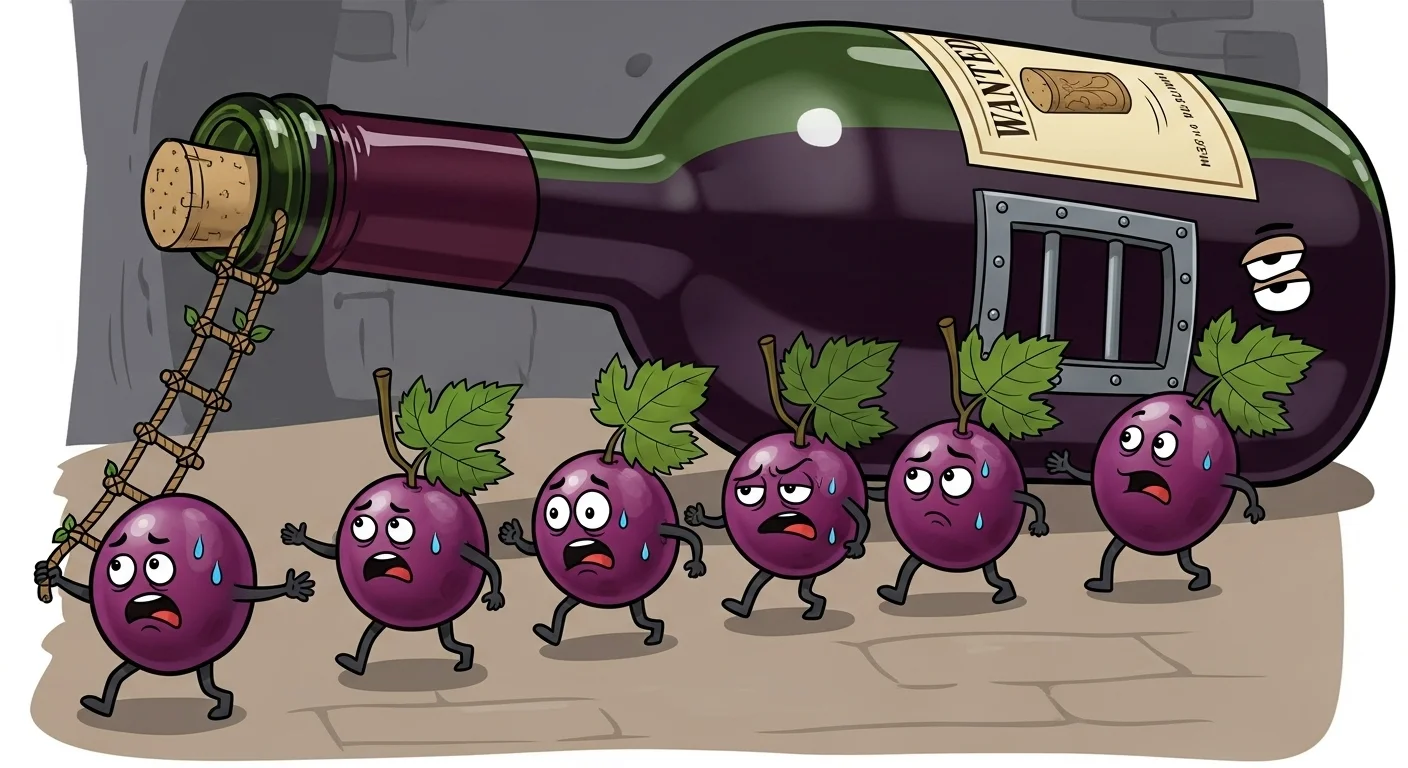
“I told my therapist I felt like a deck of cards… she shuffled me off.”
Puns work because they let hidden thoughts “escape” through clever wording.
Wordplay allows double meanings without social danger.
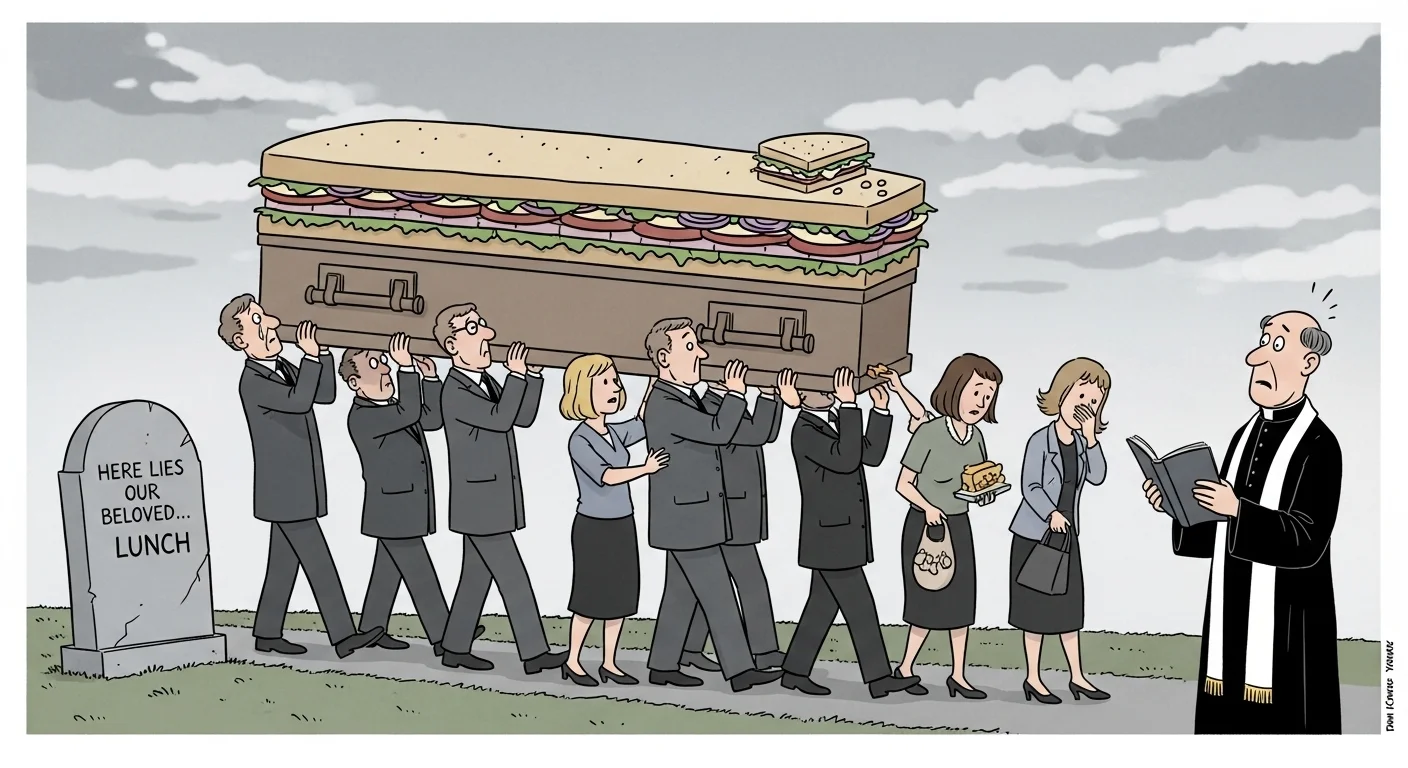
😈 Taboo & Dark Humor
Making fun of authority figures.
Sexual innuendo as a social release.
Jokes about death or illness as tension relief.
Hostile humor toward rivals or competitors.
Example: “Marriage is the triumph of imagination over intelligence.”
These jokes reveal desires the conscious mind would otherwise suppress.
💔 Hostile Humor
Targeting someone’s habits or traits.
Often used socially to bond or assert dominance.
Can reveal envy, rivalry, or resentment.
Example: “He’s so clumsy he could trip over Wi-Fi signals.”
Freud argued that laughter here releases psychic tension.
Even playful teasing has roots in unconscious conflict.
🧠 Incongruity & Surprise
Jokes often juxtapose opposites.
Punchlines defy expectations.
Example: “I used to be indecisive… now I’m not sure.”
This cognitive surprise triggers laughter and thought.
Many modern memes rely on incongruity.
🎬 Freudian Humor in Modern Media
TV shows like The Simpsons often hide repressed social commentary in jokes.
Late-night comedy uses taboo or hostile humor for tension release.
Memes often use wordplay or incongruity, a digital reflection of Freud’s ideas.
Subtle jokes can reveal societal anxieties.
😆 Jokes About Therapy
Freud himself inspired countless humorous references:
“I told my analyst I have a fear of commitment… he said it’s mutual.”
“Why did Freud cross the road? To get to the unconscious side.”
These jokes reveal cultural fascination with psychoanalysis.
📖 Classic Freudian Examples
“Sometimes a cigar is just a cigar.”
Jokes about dreams revealing desires.
Wordplay in personal anecdotes.
Clever double entendres.
Social tension jokes at dinner parties.
Satirical commentary about authority.
Dark humor about societal norms.
Hidden sexual or aggressive content made socially acceptable.
🌐 Freud on Jokes & Social Connection
Laughter strengthens social bonds.
Shared jokes create in-group cohesion.
Allows people to express forbidden ideas safely.
Humor signals intelligence and creativity.
Enables indirect criticism without confrontation.
🎨 Humor in Everyday Life
Freud’s principles apply to casual puns and witty banter.
Office jokes, friendly teasing, and meme culture all reflect Freudian ideas.
Even small wordplay can act as tension release.
Recognizing unconscious triggers makes humor richer.
🧠 Freud on Jokes and the Unconscious Mind
Jokes bypass mental censorship.
Laughter acts as a safety valve for hidden desires.
The unconscious enjoys clever shortcuts.
Forbidden ideas feel “lighter” when disguised as humor.
Wordplay hides meaning in plain sight.
The punchline releases stored mental energy.
Even innocent jokes may have deeper roots.
Freud believed humor reveals what logic hides.
Jokes expose emotional truths quickly.
Humor works faster than rational explanation.
Surprise weakens psychological defenses.
That’s why jokes feel oddly satisfying.
😈 Freud on Jokes About Authority and Power
Jokes mock parents, bosses, teachers, and leaders.
Humor equalizes power differences.
Laughing at authority reduces fear.
Sarcasm becomes a safe rebellion.
Political jokes thrive under pressure.
Freud saw this as controlled aggression.
The joke “wins” without confrontation.
Comedy clubs often push these limits.
Satire disguises criticism as laughter.
Even mild teasing reflects hidden resistance.
Humor gives permission to question power.
Freud believed this release prevents conflict.
💬 Freud on Jokes, Language, and Wordplay
Words carry more than one meaning.
Jokes exploit linguistic shortcuts.
Puns confuse the conscious mind briefly.
The unconscious fills the gap instantly.
That gap creates laughter.
Freud admired clever phrasing.
Mispronunciations can become funny revelations.
Slips of the tongue reveal hidden thoughts.
Wordplay masks taboo ideas.
Language becomes a psychological playground.
Jokes reward mental flexibility.
Smart humor feels intellectually satisfying.
❤️ Freud on Jokes and Sexual Humor
Sexual jokes release repressed desire.
Humor makes taboo topics acceptable.
Freud didn’t see this as vulgar—just human.
Suggestive jokes rely on implication.
The audience “completes” the meaning mentally.
That participation enhances laughter.
Sexual humor reflects curiosity, not immorality.
Subtle innuendo works better than blunt jokes.
Freud believed society shapes what’s repressed.
Humor adapts to cultural limits.
Modern comedy still follows this rule.
Timing determines whether it lands or fails.
😂 Freud on Jokes, Laughter, and Emotional Release
Laughter saves mental energy.
Jokes reduce psychological effort.
Emotional tension gets discharged safely.
Humor works like pressure relief.
Stress increases joke appreciation.
That’s why humor thrives in hard times.
Freud linked laughter to relief.
The body responds before the mind explains.
Shared laughter strengthens bonds.
Group humor amplifies release.
Silence after a joke feels awkward.
Laughter restores balance quickly.
🌍 Freud on Jokes in Modern Culture
Memes rely on incongruity and repression.
Dark humor follows Freudian principles.
Internet jokes spread unconscious themes fast.
Viral humor often touches taboo topics.
Therapy jokes reference Freud constantly.
Stand-up comedy uses tension and release.
Sitcoms rely on wordplay and surprise.
Sarcasm dominates online humor.
Freud predicted humor’s social power.
Comedy adapts but psychology stays the same.
Modern jokes still bypass censorship.
Freud’s theory explains why memes work.